

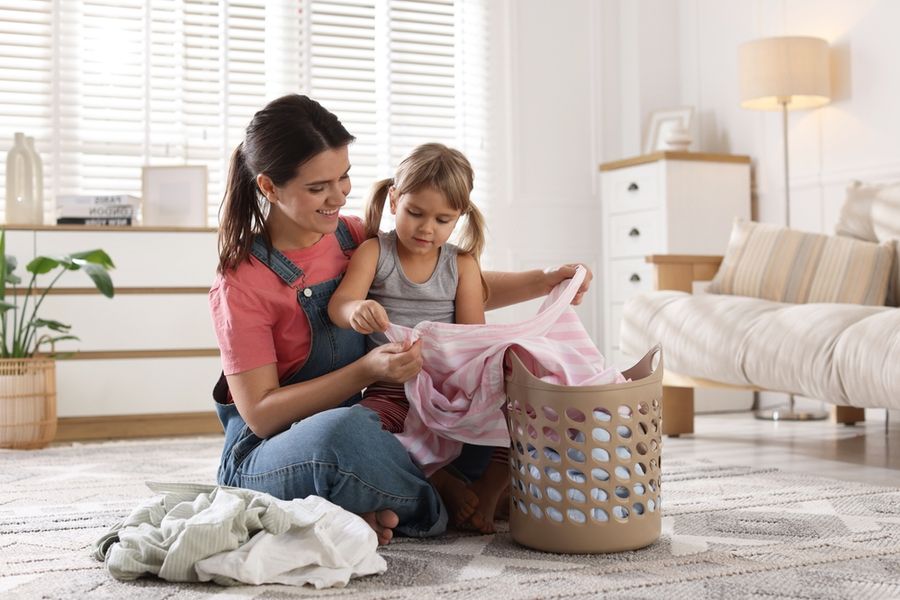
Laundry has a habit of piling up when schedules are full and energy is low. Many households struggle not because laundry is difficult, but because it quietly falls behind. Preventing laundry backlog does not require a special system or strict rules. It relies on simple habits that keep clothes moving from wear to wash to storage. With a few clear practices, laundry can stay manageable instead of turning into an ongoing source of stress.
Keep Clean and Dirty Laundry Clearly Separate
One of the simplest ways to prevent laundry from falling behind is to keep clean and dirty clothes clearly separated at all times. When clean clothes end up mixed with dirty ones, it creates confusion and often leads to rewashing or ignoring piles altogether. Using one basket for dirty laundry and another for clean but unfolded clothes creates a clear boundary. This makes it easier to see what actually needs washing and what just needs to be put away.
This separation also helps reduce mental clutter. When you know exactly where each type of laundry belongs, you’re less likely to feel overwhelmed by a growing pile. Clear separation turns laundry into smaller, more manageable tasks instead of one big chore.
Make Laundry Part of Your Normal Routine
Laundry backlog often happens because it feels like a task that needs a large block of time. In reality, laundry works best when it’s treated as part of a regular routine. This might mean starting a load in the morning, switching it over during a break, or folding clothes in the evening while watching TV.
The key is consistency, not speed. Doing laundry more often, even in smaller amounts, prevents large piles from forming. When laundry becomes a normal part of your week instead of an occasional event, it’s much easier to keep up.
Reduce Decision Fatigue Around Laundry
Laundry can feel tiring not because it’s hard, but because it involves many small decisions. Sorting, choosing settings, deciding where clothes go, and figuring out what to wash next can all add friction. Reducing these choices helps laundry move faster.
For example, having a standard place for clean clothes that need folding removes the question of where to put them. Washing similar loads on the same days each week can also help. When you don’t have to think as much about laundry, you’re more likely to do it before it piles up.
Fold or Hang Clothes Soon After They’re Clean
One of the biggest causes of laundry backlog is clean clothes that never make it back to drawers or closets. Once clean clothes sit in a basket for too long, they become another pile that feels heavy and easy to ignore. Folding or hanging clothes soon after they’re clean keeps them from becoming part of the problem.
This doesn’t mean everything has to be perfect. Even a quick fold or placing items loosely in drawers is better than leaving them in a basket for days. The goal is to keep laundry moving forward instead of letting it stall at the final step.
Make the System Easy for Everyone in the House
Laundry is easier to manage when everyone in the home understands where clothes go. Clear, simple rules work best. Dirty clothes go in one place. Clean clothes go in another. When the setup is easy to follow, it reduces mess and prevents laundry from spreading across bedrooms and bathrooms.
For households with children, this clarity is especially helpful. Kids are more likely to follow a routine when it’s simple and consistent. Even small steps, like knowing where to place clean clothes, can reduce daily clutter and future laundry stress.
Deal With Laundry Before It Feels Urgent
Backlog often builds when laundry is ignored until it becomes urgent. Waiting until there are no clean clothes left turns laundry into a stressful task. Handling laundry before it reaches that point keeps it from feeling overwhelming.
This might mean running a load before baskets are full or folding clothes the same day they’re washed. Staying slightly ahead prevents the cycle of falling behind and then struggling to catch up.
Small Habits Make a Big Difference
Preventing laundry backlog doesn’t require a named system or major changes. It comes down to small, practical habits that keep clothes moving through the process.
Separating clean and dirty laundry, sticking to a routine, reducing small decisions, and putting clothes away promptly all work together to keep laundry under control. When laundry is simple and predictable, it’s far less likely to pile up and take over your home.