

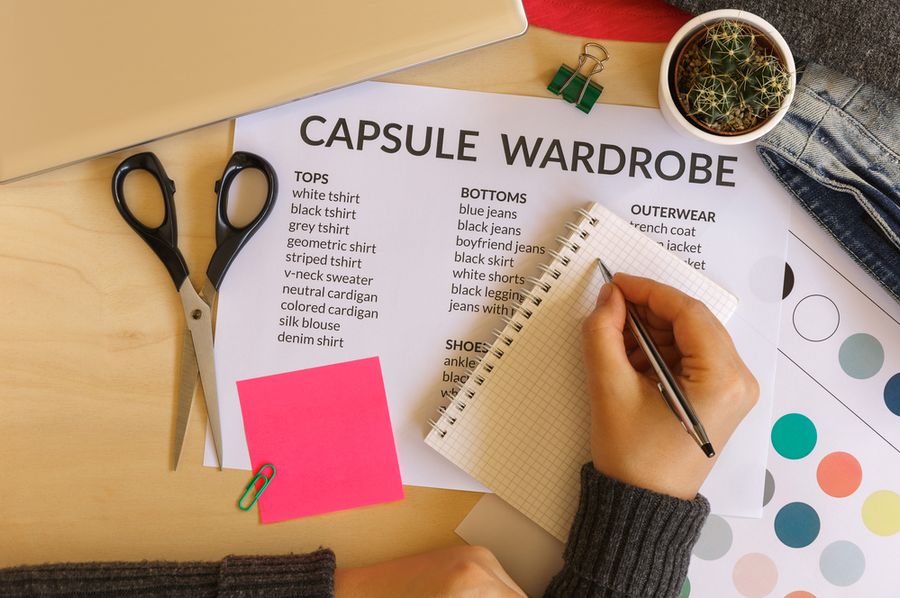
Many people feel frustrated when standing in front of a full closet with nothing that feels right to wear. The idea of a capsule wardrobe promises fewer choices, less stress, and better outfits. One popular approach is the 33-item method, which limits clothing to a set number each season. But does the system really work for everyday life? Understanding how it functions can help decide if it fits your routine and style.
What the 33-Item Method Is
The 33-item method is a capsule wardrobe system that limits your clothing to 33 pieces for a set period, often three months. These items usually include tops, bottoms, dresses, outerwear, and shoes. Items like sleepwear, workout clothes, underwear, and accessories are often counted separately, depending on personal choice.
The idea is to reduce decision fatigue by working with a smaller group of clothes. With fewer options, it becomes easier to see what works together. This method encourages mindful choices and helps break the habit of buying clothes without a clear purpose.
Why People Are Drawn to Capsule Wardrobes
Capsule wardrobes appeal to people who want simplicity. A smaller wardrobe can save time in the morning and reduce clutter in the closet. When every item works well with others, getting dressed feels easier and more predictable.
Another reason this method attracts attention is its focus on use rather than volume. Instead of owning many items worn only once or twice, the goal is to rely on pieces that feel comfortable and fit daily life. This shift can help people understand their style better and avoid future clutter.
Where the 33-Item Method Can Be Challenging
While the method sounds simple, it can feel limiting at first. Some people have work roles, hobbies, or climates that require a wider range of clothing. Seasonal changes, special events, and travel can also make a strict number feel hard to manage.
Another challenge is personal comfort. If the number feels forced, it can create stress instead of relief. Some people spend more time worrying about what to remove than enjoying what they keep. This is a sign the system may need adjustment to better fit real needs.
How to Make the Method Work in Real Life
The 33-item method works best when treated as a guide, not a rule. Start by choosing items you already wear often. These are usually the most practical and comfortable pieces. Focus on fit, ease of care, and how items mix together.
It also helps to test the method for a short time. Try it for a few weeks instead of a full season. This allows room to adjust without pressure. If certain items are missing, add them back. Flexibility keeps the process useful instead of frustrating.
Is the Number 33 Really Important?
The number itself is less important than the idea behind it. Limiting options helps create focus, but the exact count can change. Some people do well with fewer than 33 items, while others need more.
What matters is having enough clothes to support your life without excess. The method encourages thoughtful choices, not strict limits. When the focus stays on function and comfort, the system feels supportive instead of restrictive.
Who the 33-Item Method Works Best For
This method often works well for people who enjoy routine and prefer simple choices. Those with stable schedules or clear dress codes may find it easier to follow. It can also help people who feel overwhelmed by clutter and want a clear starting point.
However, it may not suit everyone. People with changing schedules, varied work needs, or strong style shifts may need a more flexible approach. In these cases, a loose capsule wardrobe without a fixed number may work better.
A Tool, Not a Rule
The 33-item method can be a helpful way to rethink clothing habits, but it is not a one-size-fits-all solution. Its strength lies in encouraging mindful choices and reducing clutter, not in hitting a specific number.
When adapted to personal needs, it can make getting dressed easier and less stressful. The key is using the method as a tool, not a rule, and shaping it to support your daily life and comfort. The result is often easier decision-making and a style that looks effortless.