

Building home routines often sounds simple, but keeping them consistent can feel hard. Many routines fail because they rely on motivation, which comes and goes. Habit stacking offers a different approach. Instead of creating brand-new habits, it connects small actions to routines you already do every day. The method works especially well for busy households because it fits into real life. When done right, habit stacking turns everyday moments into steady systems that support a calmer, more organized home.
What Habit Stacking Really Means
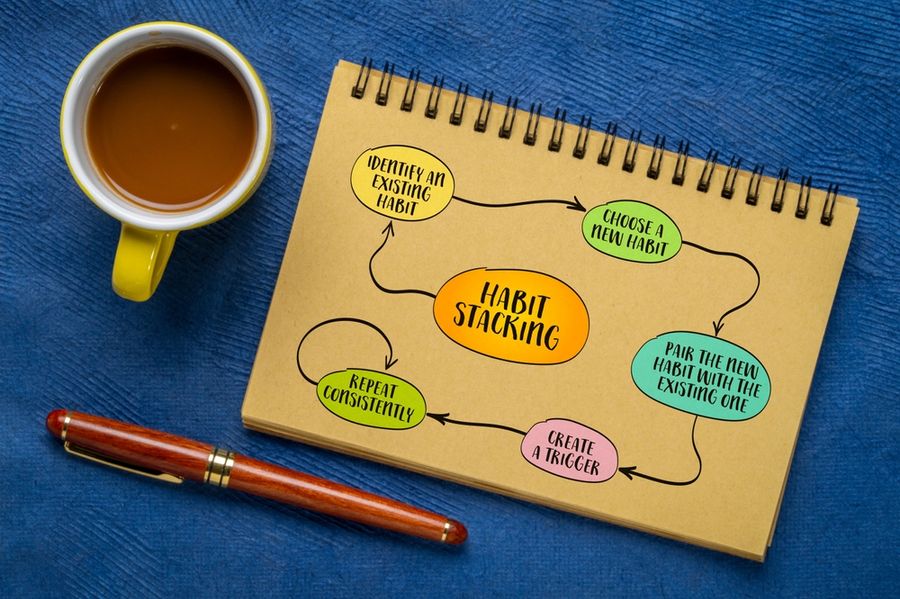
Habit stacking is the practice of linking a new habit to an existing one. The existing habit acts as a reminder and anchor. For example, if you already make coffee every morning, you can stack a quick kitchen reset right after. The key is that the first habit already happens without effort.
This approach works because the brain likes patterns. When one action naturally follows another, it feels easier to repeat. Over time, the new habit becomes automatic. Instead of trying to remember what to do, you simply follow the flow of your day. This makes habit stacking especially useful for home routines that need daily follow-through.
Why Habit Stacking Works Better Than Motivation
Motivation is unreliable. Some days you have energy, and other days you do not. Habit stacking removes the need to feel motivated. The routine happens because it is attached to something that already exists.
Another reason habit stacking works is that it keeps habits small. Instead of cleaning the whole house, you might wipe counters after dinner. Instead of organizing everything, you sort mail when you bring it inside. Small actions are easier to repeat, and repetition is what builds consistency. Over time, these small habits add up to noticeable change.
Choosing the Right Anchor Habits at Home
Anchor habits are actions you already do without thinking. At home, these often include waking up, brushing teeth, making meals, or getting ready for bed. The best anchor habits happen daily and at roughly the same time.
Once you identify strong anchors, match them with simple tasks. After brushing your teeth, you might wipe the bathroom sink. After feeding pets, you might straighten the living room. The closer the new habit fits the moment, the more natural it feels. This keeps routines from feeling forced or out of place.
Simple Habit Stacks for Common Home Areas
Habit stacking works best when tied to specific spaces. In the kitchen, you can stack wiping counters after loading the dishwasher. In the bedroom, making the bed can be stacked after getting dressed. In the entryway, hanging up coats can be stacked right after walking inside.
Laundry can also benefit from stacking. For example, starting a load right after breakfast or folding clothes while watching a familiar show. These stacks reduce the chance of tasks being forgotten. They turn routines into automatic sequences instead of separate chores.
How to Keep Habit Stacks Realistic
One mistake people make is stacking too much at once. If the stack feels heavy, it will be skipped. Start with one small habit per anchor. Let it settle before adding more.
It also helps to remove pressure. If a habit is missed, it does not mean failure. The goal is progress, not perfection. Habit stacking works over time, not overnight. Keeping stacks short and simple makes them easier to restart after busy days.
Another helpful step is to adjust stacks as life changes. A routine that works during one season may not fit another. Habit stacking is flexible, and routines should change when needed.
Teaching Habit Stacking to a Household
Habit stacking can work for families and shared homes, not just individuals. Shared anchors like meals, bedtime, or leaving the house are good places to start. For example, after dinner, everyone clears their own dish. After bedtime routines, toys are returned to their place.
When everyone understands the stack, routines feel fair and clear. This reduces reminders and arguments. Children especially benefit from predictable sequences. Over time, these shared habits create smoother days and less mess without constant effort.
Common Mistakes That Break Habit Stacks
One common mistake is choosing an anchor that is not stable. If the anchor habit does not happen daily, the stack will fail. Another issue is making the new habit too big. Large tasks create resistance and break the chain.
Skipping tracking can also be a problem. While habit stacking reduces the need for reminders, noticing progress still matters. A simple checklist or mental note can help reinforce the habit. Awareness strengthens consistency and helps spot when a stack needs adjustment.
Small Stacks Create Strong Routines
Habit stacking is a simple but powerful way to build consistent home routines. By linking small tasks to habits you already have, routines become easier to follow and harder to forget.
The focus is not on doing more, but on doing things in a smarter order. Over time, these small stacks create a home that feels calmer and more manageable. Consistency grows naturally when habits fit into daily life instead of fighting against it.