

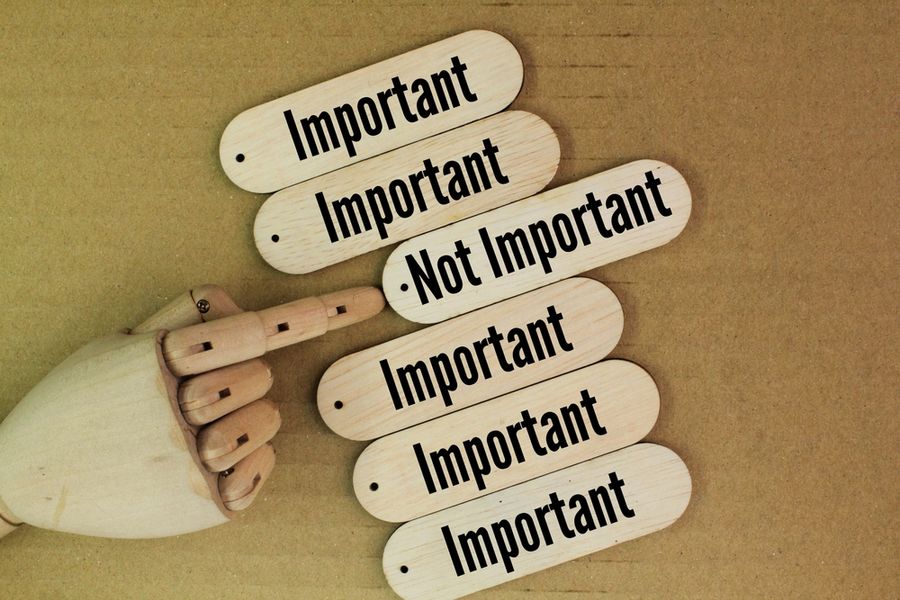
Distractions are everywhere, and they often show up when you are trying to focus the most. Many people make long to-do lists, only to feel overwhelmed and pulled in too many directions. The Two-List Strategy offers a simpler way to work. Instead of tracking everything at once, it separates what truly matters from what can wait. The clear split helps reduce mental clutter, protect focus, and make daily work feel calmer and more intentional.
What the Two-List Strategy Is
The Two-List Strategy, conceived by Warren Buffett, uses two separate lists with very different purposes. The first list contains a small number of priority tasks that deserve your full attention. The second list holds everything else that is not urgent or important right now.
The goal is not to ignore the second list forever. It exists so your brain does not have to hold onto those tasks. By moving non-essential tasks out of sight, you reduce noise and create space to focus on what matters most today. This separation is the key to the strategy’s power.
Why One Long To-Do List Creates Distraction
A single long list mixes urgent tasks with low-impact ones. When you look at it, your brain has to sort through everything each time you choose what to do. This constant sorting creates mental fatigue and makes distractions more tempting.
Long lists also encourage task switching. You may jump from one small task to another because they feel easier, even if they are not important. This leads to busy days with little progress. The Two-List Strategy removes this problem by making priorities clear before work begins.
How to Build the First List: The Focus List
The first list is the focus list. It should be short and limited, often no more than three to five items. These tasks are the ones that move your work forward in a meaningful way.
To build this list, ask yourself which tasks truly matter today. These are tasks that support long-term goals, deadlines, or important responsibilities. Once chosen, these tasks get your best energy. During work time, this list stays visible, and other tasks do not compete for attention.
How the Second List Reduces Mental Clutter
The second list is sometimes called the parking list or later list. It holds tasks that matter, but not right now. Examples include ideas, small chores, or tasks that can wait without consequence.
Writing these items down has an important effect. It tells your brain that nothing is forgotten. This reduces the urge to stop working and handle every new thought. When distractions come up, they are added to the second list and released. Focus stays on the first list where it belongs.
Using the Two-List Strategy During the Workday
At the start of the day, review both lists. Choose your focus list and commit to it. During the day, work from the focus list only. If new tasks appear, decide where they belong. If they are urgent and important, they may replace something on the focus list. If not, they go on the second list.
This habit reduces reactive behavior. Instead of responding to every message or idea, you make calm decisions. The lists act as a filter that protects your time and attention throughout the day.
Why This Strategy Helps With Digital Distractions
Digital distractions are a major problem for many people. Notifications, emails, and messages create constant interruptions. The Two-List Strategy helps manage this by giving you a clear plan.
When your focus list is defined, it becomes easier to ignore digital noise. You know what you are supposed to be working on, so distractions feel less tempting. Messages that do not support the focus list can wait and be added to the second list if needed.
Making the Strategy Work Over Time
Consistency matters more than perfection. The Two-List Strategy works best when used daily. Over time, you get better at choosing strong focus tasks and letting go of less important ones.
It also helps to review the second list regularly. Some items may become focus tasks later. Others may no longer matter and can be removed. This review keeps both lists clean and useful, preventing buildup and overwhelm.
Common Mistakes That Weaken the Strategy
One common mistake is putting too many tasks on the focus list. When everything is marked as important, nothing truly is. Keeping the list short protects its value.
Another mistake is treating the second list as a dumping ground that never gets reviewed. The second list should feel safe, not forgotten. Regular check-ins ensure it stays supportive instead of stressful.
Some people also switch tasks too quickly. The strategy works best when you finish one focus task before moving to the next. This builds momentum and reduces distraction even further.
Adapting the Two-List Strategy to Different Roles
The Two-List Strategy works in many settings. Office workers can use it for projects and meetings. Remote workers can use it to create structure at home. Students can separate study priorities from smaller tasks.
Even at home, the strategy can reduce distraction. One list holds key household tasks, while the other holds ideas and errands. The system is flexible because it is based on clarity, not tools or rules.
Focus Grows When Distractions Have a Place
The Two-List Strategy eliminates distractions by giving them a place to live outside your focus. By separating what matters now from what can wait, it reduces mental clutter and protects attention.
The strategy is simple, flexible, and easy to repeat. With clear lists and daily use, focus improves naturally. When distractions are managed instead of fought, work becomes calmer, clearer, and more effective.