

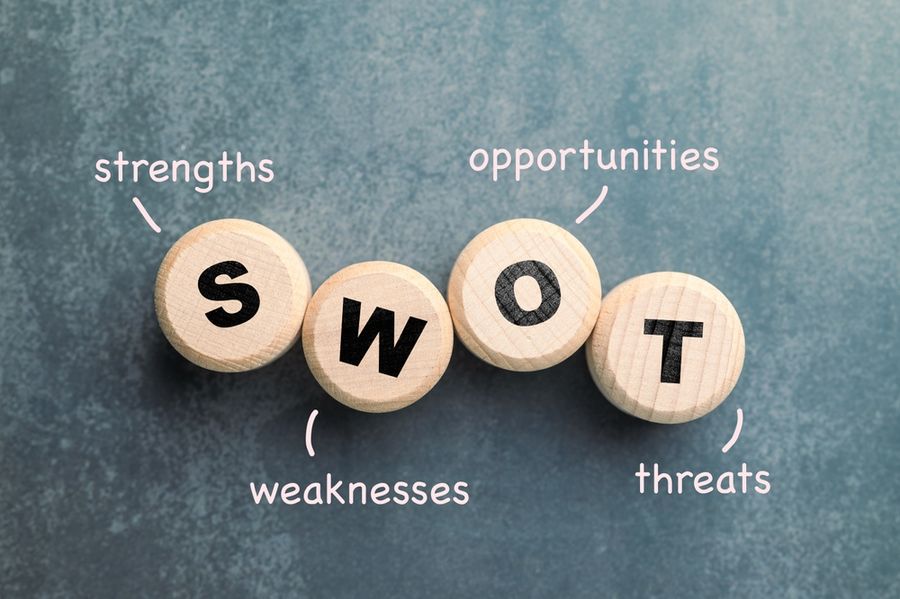
Career planning can feel confusing when options seem endless and feedback is unclear. Many people know they want growth but struggle to define the right direction. A personal SWOT analysis offers a simple way to gain clarity. By looking at strengths, weaknesses, opportunities, and threats, you can better understand where you are and where you can go. The SWOT method turns reflection into action and helps create a career plan based on facts instead of guesswork.
What a Personal SWOT Analysis Is
A personal SWOT analysis is a structured way to review your current career position. The four parts stand for strengths, weaknesses, opportunities, and threats. Strengths and weaknesses focus on internal factors, such as skills and habits. Opportunities and threats focus on external factors, such as job trends or workplace changes.
This tool is often used by businesses, but it works just as well for individuals. When applied to career planning, it creates a clear snapshot of your situation. Instead of vague feelings, you gain a balanced view that supports better decisions.
Identifying Your Strengths Clearly
Strengths are skills, traits, and experiences that support your success. These may include technical skills, communication ability, reliability, or leadership. Strengths also include personal habits, such as being organized or calm under pressure.
To identify strengths, focus on patterns. Notice tasks you complete well and feedback you receive often. Think about moments when work feels easier or more natural. Writing strengths down builds confidence and helps you understand what you bring to a role. These strengths should guide future career choices instead of being overlooked.
Being Honest About Weaknesses Without Judgment
Weaknesses are areas that limit growth or create challenges. These may include skill gaps, habits that reduce focus, or discomfort with certain tasks. Identifying weaknesses is not about self-criticism. It is about clarity.
When asking yourself direct questions, honest awareness allows for improvement. For example, if public speaking feels difficult, that is useful information. It may signal a skill to build or a role to avoid. Writing weaknesses down removes their emotional weight and turns them into practical data for planning.
Spotting Career Opportunities Around You
Opportunities are external factors that could support your career growth. These may include emerging roles, growing industries, internal projects, or learning chances. Opportunities often appear through changes, not stability.
To find opportunities, look beyond your current job. Notice trends in your field, new skills being requested, or roles that match your strengths. Networking conversations and job postings can also reveal opportunities. These insights help shape realistic next steps instead of vague goals.
Recognizing Threats That Could Affect Progress
Threats are external factors that could slow or block career growth. These may include changes in technology, limited roles in your area, company instability, or strong competition. Threats are not always negative, but they do require awareness.
By identifying threats early, you can prepare. For example, if a skill is becoming outdated, learning something new reduces risk. Awareness allows action instead of surprise. Threats help guide where to focus energy and learning.
Putting the Four Parts Together
The power of a personal SWOT analysis comes from combining all four parts. Look at how strengths connect to opportunities. This often reveals strong career paths. For example, strong communication skills paired with leadership opportunities may point toward management roles.
Next, look at weaknesses and threats together. This shows areas that need attention. A skill gap in a changing field is a clear signal for development. By reviewing these connections, your career plan becomes more focused and realistic.
Turning Insight Into a Career Plan
A SWOT analysis is only useful if it leads to action. After completing it, choose a few clear goals. These goals should use strengths, reduce weaknesses, pursue opportunities, and protect against threats.
For example, a goal may be to develop a new skill that supports an emerging role. Another may be to seek projects that match existing strengths. Keep goals simple and specific. This makes progress easier to track and maintain.
Using the SWOT Analysis for Career Decisions
Career decisions often feel emotional. A SWOT analysis adds structure to those moments. When considering a new role or change, review how it fits each area of the analysis.
If a role uses strengths and offers opportunities while limiting threats, it may be a good fit. If it highlights weaknesses and increases threats, it may require caution. This approach supports thoughtful choices instead of reactive ones.
Revisiting and Updating Your Analysis
Careers change over time, and so should your SWOT analysis. Skills grow, goals shift, and industries evolve. Revisiting the analysis once or twice a year keeps it relevant.
Each update builds self-awareness. You may notice strengths you did not see before or new opportunities emerging. Regular review turns career planning into an ongoing process instead of a one-time task.
Avoiding Common Mistakes With Personal SWOT
One common mistake is being too vague. General statements limit value. Be specific where possible. Another mistake is focusing only on weaknesses. Balance is important.
Some people also confuse internal and external factors. Strengths and weaknesses are about you. Opportunities and threats come from outside. Keeping this distinction clear improves accuracy and usefulness.
How a SWOT Analysis Builds Confidence
Clarity builds confidence. When you understand your position, choices feel less risky. A personal SWOT analysis replaces uncertainty with information.
This confidence shows in conversations, interviews, and daily work. Knowing your strengths and direction helps you speak clearly about goals. Confidence grows when planning is grounded in self-knowledge.
A Simple Tool for Smarter Career Planning
A personal SWOT analysis offers a clear and practical way to plan your career. By identifying strengths, weaknesses, opportunities, and threats, you gain a full picture of where you stand.
This insight supports better goals, stronger decisions, and steady growth. Career planning does not need to be complex. With a simple SWOT analysis, it becomes focused, realistic, and easier to manage over time.