

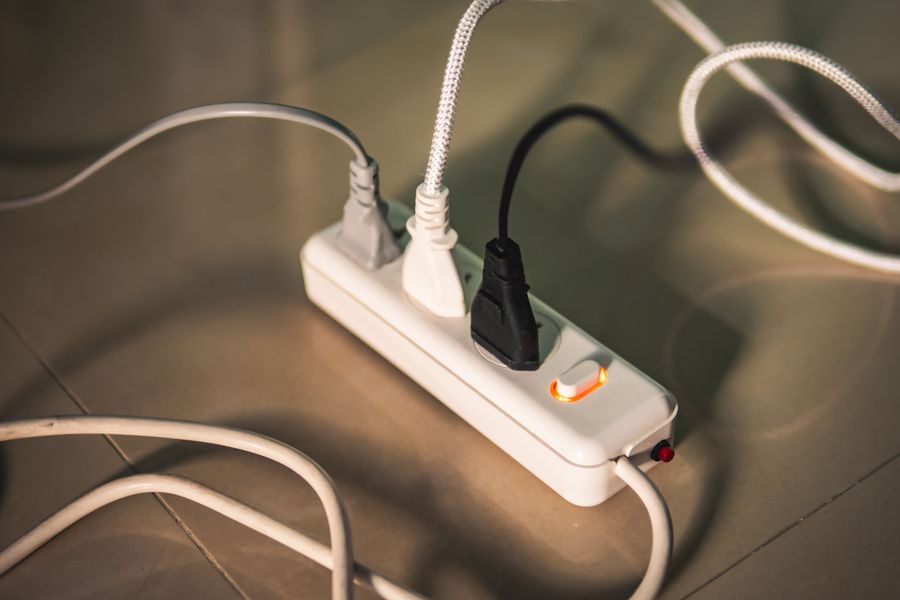
Many electronic devices continue to draw power even when they are turned off. Their hidden usage, often called standby energy, can slowly add up over time. Televisions, computers, game consoles, and chargers are common examples. Smart power strips are designed to solve the problem by cutting power to devices when they are not in use. Understanding how they work helps you choose one that fits your home and routine.
What Standby Energy Use Really Is
Standby energy use happens when devices stay plugged in and draw small amounts of electricity even when idle. This power supports features like remote controls, clocks, or instant-on settings. While each device may use only a small amount, the total can be noticeable when many items are involved.
Smart power strips target this issue by stopping power flow when devices do not need it. Unlike basic power strips, they actively manage electricity. This makes them useful for people who want to reduce energy use without constantly unplugging devices.
How Smart Power Strips Work
Smart power strips come in different designs, but they all share the same goal. They detect when a main device is turned off or enters a low-power state. When that happens, they cut power to other connected devices automatically.
Some models use a “control outlet.” You plug a main device, such as a TV or computer, into this outlet. When the main device turns off, the strip shuts down power to accessories like speakers or printers. Other models use motion sensors, timers, or current detection to manage power flow. Each approach reduces standby use in a slightly different way.
Types of Smart Power Strips
There are several common types of smart power strips. Control-based strips are the most popular. They work well for entertainment centers and office setups. When the main device turns off, the rest follow.
Motion-sensing strips turn off power when no movement is detected in the room for a set period. These are helpful in spaces like home offices or workshops. Timer-based strips shut off power at scheduled times, which works well for devices not needed overnight.
Advanced models may offer individual outlet control or app-based management. These allow more customization but still aim to reduce wasted energy. Choosing the right type depends on how and where the strip will be used.
Where Smart Power Strips Make the Most Sense
Smart power strips are especially useful in areas with many electronics. Home entertainment centers are a common example. Televisions, streaming boxes, sound systems, and game consoles often stay plugged in all the time.
Home offices are another strong fit. Computers, monitors, printers, and chargers often draw standby power even when work is done. A smart strip can shut these down automatically at the end of the day.
Bedrooms can also benefit. Lamps, phone chargers, and alarm clocks may not need power all day. Using a smart strip helps limit unnecessary use without disrupting daily routines.
Key Features to Look For
Not all smart power strips offer the same features. One important factor is outlet layout. Look for a design that fits large plugs without blocking other outlets.
Surge protection is another useful feature. Many smart strips include protection against power spikes, which helps protect electronics. Indicator lights can also be helpful, showing which outlets are active or controlled.
Ease of setup matters as well. Some strips work right out of the box, while others require adjusting sensitivity or timing. Clear labeling of outlets helps ensure devices are plugged into the correct ports.
Ease of Use and Daily Habits
A good smart power strip should fit easily into daily life. If it requires constant adjustment, it may not be used properly. The best designs work quietly in the background.
For control-based strips, it helps to clearly identify the main device. Once set up, the process is automatic. Motion-sensing and timer-based strips may require small adjustments, but they still reduce the need for manual unplugging.
The goal is to reduce energy use without adding stress. Smart power strips succeed when they match existing habits rather than forcing new ones.
Safety and Reliability Considerations
Safety is important when dealing with electricity. Choose smart power strips designed for household electronics, not heavy appliances. Avoid overloading the strip with devices that draw high power.
Look for strips with clear ratings and built-in safety features. Quality materials and sturdy construction reduce the risk of overheating. Keeping the strip in a well-ventilated area also helps maintain safe operation.
Reliability matters too. A smart strip should consistently turn devices on and off without delays or errors. Reliable performance builds trust and encourages long-term use.
Choosing the Right Smart Power Strip for Your Home
The best smart power strip depends on your space and device setup. Think about which devices are used together and when they are active. Match the strip type to that pattern.
Control-based strips suit grouped electronics. Motion-sensing strips work well in rooms with clear use periods. Timer-based strips help manage overnight energy use. Simple designs often work best, especially for first-time users.
A Simple Tool for Smarter Energy Use
Smart power strips offer an easy way to reduce standby energy use without changing daily habits. By automatically cutting power to unused devices, they help limit wasted electricity in homes with many electronics.
Choosing the right type and using it in the right space makes the biggest difference. While they are not a complete solution on their own, smart power strips are a practical step toward more efficient and thoughtful energy use every day.