

Working at a desk all day makes it easy to stay still for hours. Long periods of sitting are linked with stiffness, low energy, and poorer circulation, especially for people who work from home or in offices without easy movement breaks. Devices like under-desk ellipticals and walking pads help you stay active while working. Understanding how they compare can help you choose the right one for your workspace and goals.
What Under-Desk Ellipticals and Walking Pads Are
An under-desk elliptical is a compact pedaling machine that sits under your desk and lets you pedal while you sit. The motion mimics the up-and-down movement of a full elliptical but at a slower, gentler pace, and it is designed not to interfere with typing or screen work. These devices offer low-impact movement and often include adjustable resistance.
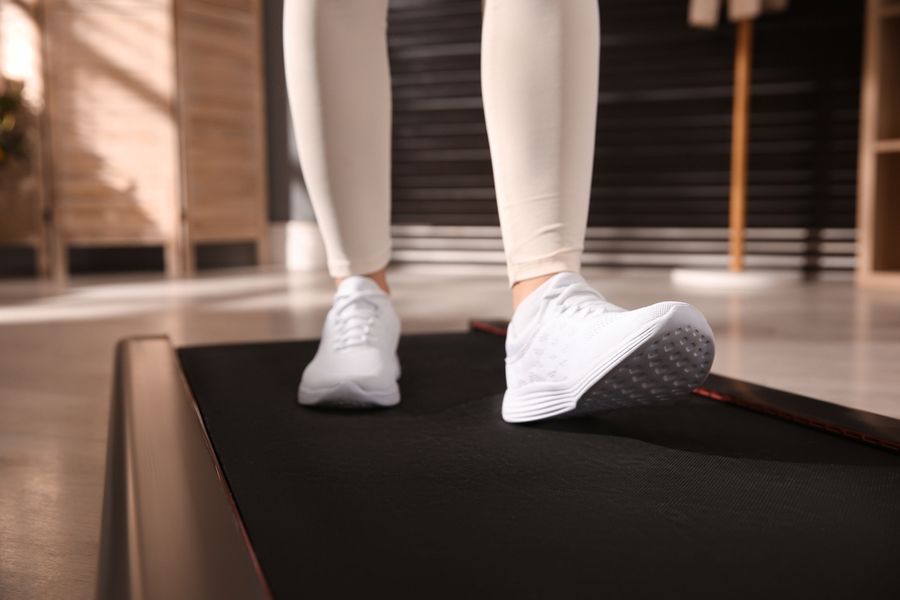
A walking pad is essentially a slim, lightweight treadmill designed for slow walking, usually under a desk or in a small space. Unlike a traditional treadmill, a walking pad stays low to the ground and can often slide under furniture when not in use. You walk on the belt while working or watching screens, adding more significant steps to your day.
Both are tools for reducing sedentary time, but the way they move your body and the effort involved differ, which affects how and when you might want to use them.
Movement Style and Physical Impact
Under-desk ellipticals provide non-weight-bearing movement, meaning your feet stay in contact with the pedals at all times, and there is little impact on joints. This makes them a good choice for people with joint pain or those who need gentle mobility work. Because the motion is similar to cycling, it improves circulation in the legs without taxing balance or posture too much.
Walking pads offer weight-bearing movement, where each step involves supporting some of your body weight. This engages more muscles, especially in the legs and core, and can burn more energy over time. Even slow walking increases heart rate more than seated pedaling, which means walking pads tend to have greater impact on overall fitness and calorie burning.
In short, an under-desk elliptical can support mobility and light movement during long work sessions, while a walking pad helps boost cardio and daily step counts more significantly.
Workspace and Practical Use
Under-desk ellipticals are usually very compact and easy to fit under almost any desk. They do not take up a lot of floor space and are quiet enough to use during phone calls or meetings. This makes them ideal for tight workspaces or shared rooms. Many models also don’t require power cords or large setups.
Walking pads are larger than under-desk ellipticals because they need room for a moving belt and your stride. Some fold for storage, but even folded they require more space than most pedal machines. They work best with adjustable or standing desks so you can walk while typing comfortably. If your desk does not raise high enough, you may need to switch between standing and sitting.
Because of these space differences, walking pads fit best in home offices or open areas where space is more flexible, while ellipticals suit smaller offices or cubicles.
Fitness Benefits and Goals
If you want to increase daily steps and improve cardiovascular health, a walking pad is usually the stronger choice. Walking while you work counts toward activity goals and helps break up long periods of sitting. Experts note that even slow walking can help maintain heart health and reduce the risks associated with prolonged inactivity.
Under-desk ellipticals are better for gentle movement, joint mobility, and maintaining circulation during long seated hours. They are not designed for intense workouts but offer ongoing low-impact activity that can reduce stiffness and keep blood flowing. They may also support muscle engagement without distracting from work tasks.
Choosing between them depends on your fitness priorities. For light, frequent movement that doesn’t interrupt typing, under-desk ellipticals excel. For higher daily activity and greater overall movement, walking pads tend to offer more.
Noise and Comfort Considerations
Noise matters in shared office spaces. Under-desk ellipticals are generally quieter because they use simple mechanical movement and do not have motors. This makes them easier to use during meetings or calls without disrupting others.
Walking pads have motors and moving belts that produce more noise, especially at higher speeds. However, many modern walking pads are designed to be relatively quiet and can be used beneath a standing desk during normal conversation or virtual meetings. Checking reviews for noise levels is useful if you share a workspace.
Comfort also differs: walking pads require you to stand or use a higher desk, which may be tiring over long sessions, whereas ellipticals let you stay seated.
Which Should You Choose?
To decide between an under-desk elliptical and a walking pad, think about your work setup, fitness goals, and space. If:
- You want gentle, consistent movement while sitting
- You need a very compact, quiet option
- You have a small office or shared workspace
Then an under-desk elliptical may be the better fit.
On the other hand, if:
- You want to boost steps and cardiovascular activity
- You have room for a larger device
- You use a standing desk or can alternate standing and walking
Then a walking pad likely supports your goals more effectively.
Both options aim to keep your body moving during long workdays. The best choice aligns with your space, how much activity you want, and your comfort while working.
Movement Makes Work Healthier
Under-desk ellipticals and walking pads both help reduce the negative effects of prolonged sitting, but they do so in different ways. Ellipticals offer low-impact, seated movement that supports circulation and mobility. Walking pads add step-based movement and more significant cardiovascular benefit.
Choosing the right device becomes easier when you consider your workspace, daily routine, and fitness goals. Whichever you pick, adding movement to your workday can improve comfort, energy, and long-term health.