

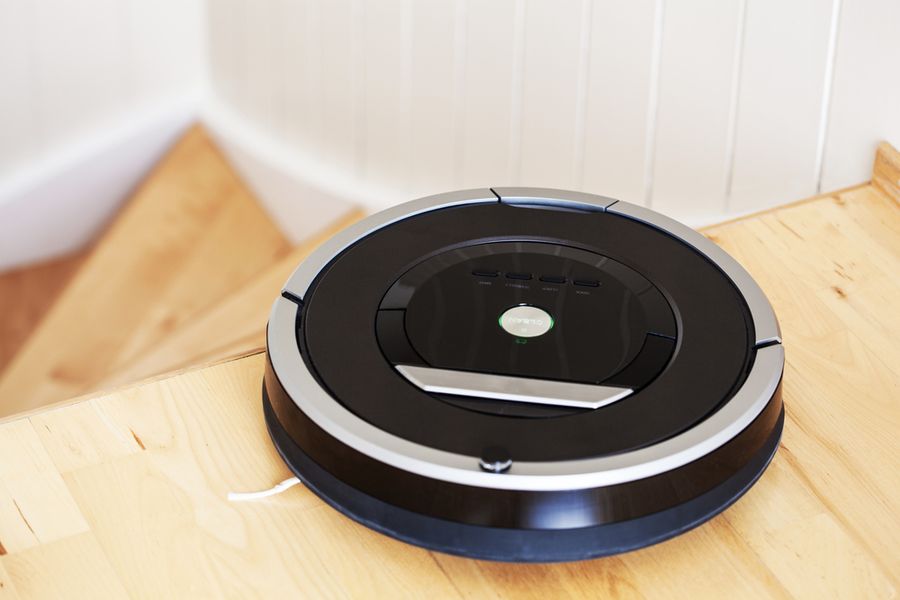
Robot vacuums can make daily cleaning easier, but multi-level homes add a few extra challenges. You may have stairs, different floor types, and rooms that need different cleaning schedules. Some robot vacuums handle multi-level needs well, while others are built mainly for single-floor spaces. Knowing what to look for before you buy can save time and frustration. The right features help a robot vacuum work smoothly upstairs and downstairs, without turning setup into a constant chore.
Multi-Map Support and Floor Plan Memory
One of the most important features for multi-level homes is multi-map support. This means the robot can save more than one floor plan. Without this, you may need to remap each level every time you move the robot, which quickly becomes annoying.
Good floor plan memory lets you label rooms, set cleaning zones, and keep settings for each level. This is helpful if your upstairs layout is different from your downstairs layout. It also helps the robot understand where it is, even when you carry it from one floor to another.
Strong Navigation and Reliable Obstacle Avoidance
Navigation matters in any home, but it matters more in a multi-level space where furniture and layout can vary by floor. A robot with strong navigation can clean in neat patterns, cover more area, and avoid getting stuck.
Obstacle avoidance is also key. Toys, cords, and shoes can be different on each floor, especially in homes with kids. A robot that can detect objects and reroute helps prevent jams and reduces the need for rescue missions. The goal is less babysitting and more true automation.
Easy Carrying and Simple Setup Between Floors
Even the smartest robot vacuum cannot climb stairs on its own. For most multi-level homes, you will carry the robot between levels. Because of that, weight and handle design matter.
Look for a robot that is easy to lift and place down. Some models are bulky and awkward, which makes moving them a hassle. Also consider how easy it is to start a cleaning session on a new floor. The best experience is quick: set it down, press start, and let it work without extra steps.
Battery Life and Recharge Behavior
Multi-level homes often have more total square footage. Battery life matters because you want the robot to finish a floor without stopping too often. Some robots also have a recharge-and-resume feature, meaning they return to the dock, recharge, and continue where they left off.
This feature is especially useful on larger floors. Without it, you may end up with half-cleaned rooms. Strong battery performance and smart charging behavior help keep cleaning consistent, even when the space is larger than average.
Dock Placement and Extra Charging Options
Dock placement can be tricky in multi-level homes. Most people place the dock on the main floor, but that may mean the robot always returns downstairs, even if you started it upstairs.
Some households solve this by having a second dock or charging base. If a robot supports this setup, it can be easier to manage. Even if you only use one dock, you want it in a spot with clear access and enough open space so the robot can find it reliably.
Floor Type Changes and Carpet Performance
Many multi-level homes have mixed flooring. Downstairs may have hard floors, while upstairs may be carpeted. A robot vacuum should handle both well.
Look for a model that adjusts suction based on surface type. Strong pickup on carpets is important, especially for pet hair. On hard floors, brushes and suction should handle dust along edges and corners. A good robot handles transitions smoothly without getting stuck on thresholds or rugs.
Mopping Features and Water Control
Some robot vacuums include mopping features. In a multi-level home, mopping may be useful on hard-floor levels, but not needed on carpeted floors.
If you want mopping, look for easy control over when mopping is used. The best systems let you turn mopping off for certain rooms or floors. Water control matters too, since too much moisture can be an issue on certain surfaces. Clear settings help keep mopping safe and effective.
Cleaning Schedules by Floor and Room
Scheduling is another major benefit of robot vacuums. In a multi-level home, you may want different schedules for different spaces. For example, the kitchen may need daily cleaning, while a guest room may not.
Look for a robot with app controls that allow room-based or zone-based scheduling. This lets you match cleaning to real needs instead of running the same routine everywhere. Better scheduling helps the robot feel like a real helper instead of a gadget you constantly manage.
Maintenance Needs and Dustbin Size
Multi-level homes often mean more dirt, more foot traffic, and more debris. That makes dustbin size and maintenance needs important.
A larger dustbin means less frequent emptying. Some robots also offer self-emptying docks, which reduce daily upkeep. Brush maintenance also matters, especially if you have long hair or pets. Easy-to-clean brushes and filters help keep performance steady without constant work.
Choose Features That Match Real Life
A robot vacuum can be a strong fit for a multi-level home, but only if it supports the way you actually live. Multi-map memory, smart navigation, easy carrying, and strong battery life are key features to prioritize.
Add floor-type performance, flexible scheduling, and simple maintenance, and you get a setup that feels truly helpful. When the robot works smoothly on every level, you spend less time cleaning and more time enjoying your home.