

Air purifiers are becoming more common in homes, especially for people who want cleaner indoor air. However, not all air purifiers work the same way. Many products claim to have “HEPA-like” or “HEPA-style” filters, which can be confusing. A true HEPA air purifier meets specific standards and offers real performance benefits. Knowing what to look for helps you choose a purifier that actually improves air quality instead of just moving air around.
What “True HEPA” Really Means
A true HEPA filter follows a strict performance standard. It is designed to capture at least 99.97 percent of airborne particles as small as 0.3 microns. These particles include dust, pollen, mold spores, and many other common indoor pollutants.
Filters labeled as “HEPA-type” or “HEPA-like” do not follow this standard. They may still capture some particles, but performance is not guaranteed. A true HEPA label tells you the filter meets a defined level of efficiency, which is important for people with allergies, asthma, or sensitivity to indoor air.
Filter Quality and Construction
Not all true HEPA filters are built the same. A high-quality filter uses dense, pleated material that increases surface area. More surface area allows the filter to trap more particles without restricting airflow too quickly.
The filter should also fit tightly inside the unit. Gaps around the filter allow air to bypass it, reducing effectiveness. A well-designed purifier seals the filter so all air passes through it. When reviewing a product, look for clear information about filter fit and replacement design.
Airflow and Room Coverage
An air purifier can only clean air that moves through it. Strong and steady airflow is just as important as the filter itself. If airflow is too weak, the purifier may take too long to clean the room.
Look for coverage guidance that matches the room where you plan to use the purifier. A unit designed for a small bedroom may not work well in a large living room. Using a purifier that is properly sized helps maintain clean air without running it at maximum speed all the time.
Noise Levels and Daily Comfort
Air purifiers often run for many hours each day, sometimes overnight. Noise level matters, especially in bedrooms or offices. Some units become loud at higher fan speeds, which can be distracting.
A good purifier offers multiple speed settings so you can balance noise and performance. Lower speeds should be quiet enough for sleep, while higher speeds can be used when quick cleaning is needed. Quiet operation helps ensure the purifier is used consistently.
Filter Replacement and Maintenance
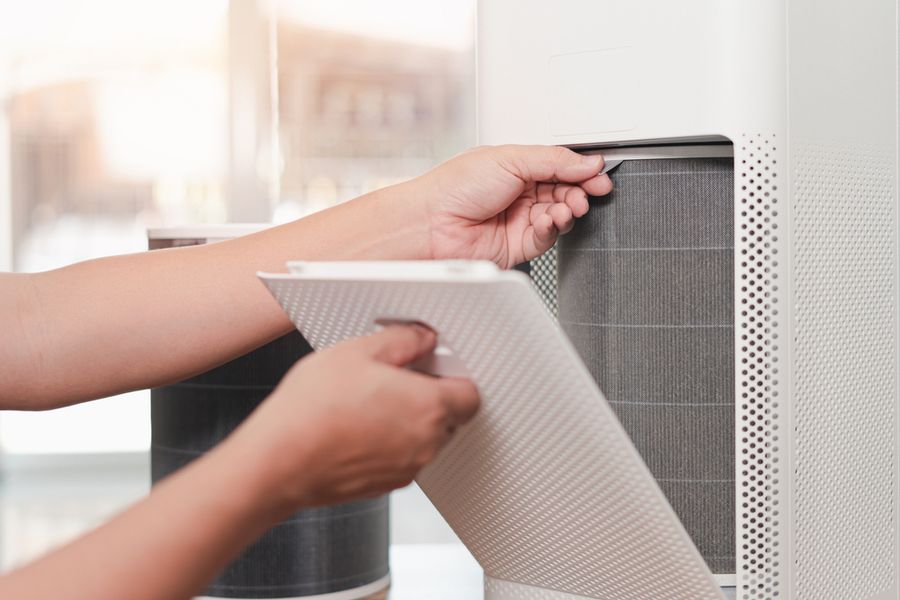
Even the best true HEPA filter needs regular replacement, typically every 6 to 12 months. Over time, trapped particles reduce airflow and performance. Easy access to replacement filters is important for long-term use.
Look for purifiers with clear filter change indicators or simple maintenance schedules. Replacing filters should be easy and not require tools. A design that supports regular maintenance helps keep the purifier working as intended without frustration.
Pre-Filters and Layered Filtration
Many true HEPA air purifiers include a pre-filter. This first layer captures larger particles like hair, dust, and lint before they reach the HEPA filter. Pre-filters help extend the life of the main filter and improve overall performance.
Some purifiers also include additional layers, such as activated carbon filters, which help reduce odors and certain gases. While not required for particle removal, these layers can improve comfort, especially in homes with cooking smells or pets.
Energy Use and Continuous Operation
Air purifiers work best when used consistently. This means energy use matters, especially if the unit runs all day. Efficient designs allow continuous operation without excessive power use.
Look for models designed for long run times with automatic modes. These modes adjust fan speed based on air quality, reducing energy use when air is already clean. This helps balance performance and efficiency without constant manual adjustment.
Controls and Ease of Use
Simple controls make an air purifier easier to use daily. Clear buttons, readable displays, and intuitive settings help users adjust the purifier without confusion.
Some units include air quality indicators that show when air is clean or polluted. While not required, these features help users understand when the purifier is working harder and when it can run quietly. Ease of use supports regular operation, which is key for effectiveness.
Build Quality and Long-Term Reliability
A true HEPA air purifier is often used year-round. Solid build quality helps ensure reliable performance over time. Sturdy housing, stable bases, and well-secured filters reduce vibration and noise.
A well-built unit also handles filter changes and regular use without wearing down quickly. Choosing a durable purifier helps avoid frequent replacements and ensures consistent air cleaning.
Avoiding Misleading Claims
Some air purifiers use terms like “medical grade” or “hospital strength” without clear standards. These terms sound impressive but may not mean anything specific.
The most reliable indicator remains the true HEPA standard. Focus on clear, verifiable information rather than marketing language. A purifier that clearly states true HEPA performance is easier to trust than one that relies on vague claims.
Choosing Clean Air With Confidence
A true HEPA air purifier can make a real difference in indoor air quality, but only when chosen carefully. Understanding what true HEPA means, how airflow works, and why filter design matters helps avoid disappointment.
By focusing on proven standards, proper sizing, quiet operation, and easy maintenance, you can select a purifier that supports cleaner air every day. Clean air is not about marketing terms, but about clear performance and thoughtful design.