

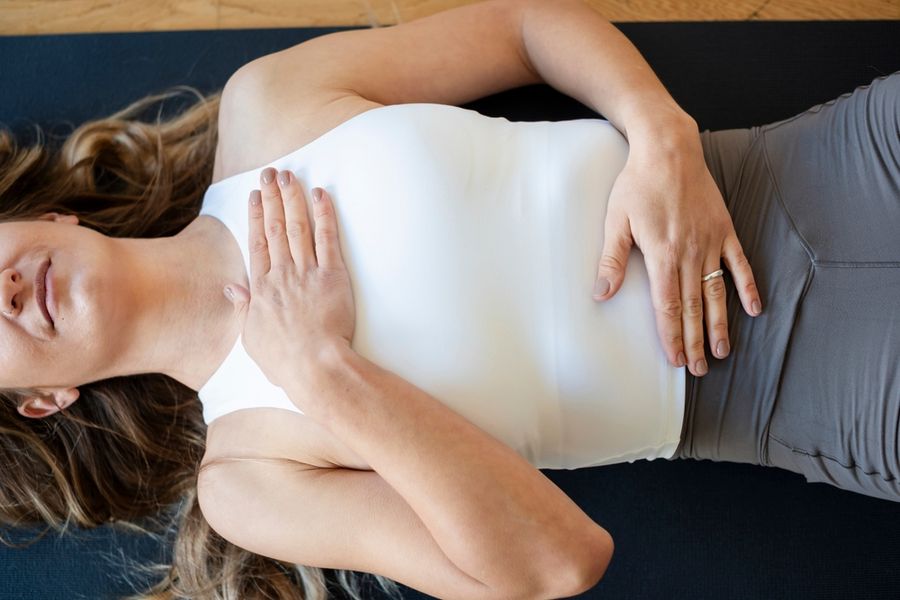
Stress often builds quietly before it becomes obvious. Tight shoulders, shallow breathing, or a restless mind can appear long before burnout or exhaustion sets in. Body scan practices help you notice early signs by bringing attention to physical sensations in a calm and structured way. Key practices do not require special tools or long sessions. When done regularly, they help you catch stress sooner, making it easier to respond before it grows into a bigger problem.
What a Body Scan Practice Is
A body scan is a simple awareness exercise. You move your attention slowly through different parts of the body and notice what you feel. There is no goal to change anything. The purpose is to observe sensations such as tension, warmth, heaviness, or ease.
Because stress often shows up in the body before the mind fully notices it, body scans act as early warning tools. They help you recognize patterns, like where you tend to hold tension or how your body reacts to busy days. Over time, this awareness builds a stronger connection between physical signals and emotional state.
Practice #1: The Morning Check-In Scan
The morning check-in scan is a short practice done soon after waking up. It sets a baseline for how your body feels before the day begins. This makes it easier to notice changes later on.
Start by sitting or lying comfortably. Take a few slow breaths. Begin at the top of your head and slowly move your attention downward. Notice your forehead, jaw, neck, shoulders, arms, chest, stomach, hips, legs, and feet. At each point, ask yourself how that area feels.
This scan helps detect stress carried over from the previous day. For example, a tight jaw or heavy chest in the morning may signal unresolved tension. Catching this early allows you to adjust your pace, plan breaks, or approach the day more gently.
Practice #2: The Desk Reset Body Scan
The desk reset body scan is designed for workdays, especially for people who sit for long periods. It helps catch stress that builds during focused or demanding tasks.
While seated, place both feet on the floor. Take a slow breath. Start by noticing your feet and legs. Then move upward to your hips, lower back, upper back, shoulders, arms, hands, neck, and head. Pay special attention to areas that feel tight or uncomfortable.
This scan works well during short breaks. It highlights physical signs of stress caused by posture, screen use, or mental load. Once you notice tension, you can make small changes like adjusting your chair, stretching, or stepping away briefly. These small resets help prevent stress from stacking up throughout the day.
Practice #3: The Breath-Led Body Scan
The breath-led body scan combines breathing with body awareness. It is useful when stress feels subtle but persistent, such as during busy weeks or emotionally heavy periods.
Begin by focusing on your breath. Notice where it moves most clearly, such as the chest or belly. With each inhale, bring attention to a specific body area. With each exhale, notice how that area responds.
For example, inhale while focusing on your shoulders. Exhale and observe whether they soften or stay tight. Then move to the chest, stomach, or lower back. This approach helps reveal areas where breath feels restricted, which can be an early sign of stress.
Because breathing often becomes shallow during stress, this scan shows how tension affects natural rhythms. It also helps reconnect breath and body, which supports calm awareness without forcing relaxation.
Practice #4: The Evening Unwind Scan
The evening unwind scan helps detect stress that accumulated during the day. It is done before bed or during a quiet moment at night. This practice supports awareness and closure.
Lie down or sit comfortably. Start with your feet and move upward slowly. As you scan each area, reflect gently on whether that part worked hard today. Notice sensations without judging them.
This scan often reveals hidden stress, such as tight hips from sitting or a tense neck from screen use. Recognizing these signals helps prevent carrying stress into sleep. Even if you do nothing else, awareness alone can help the body shift toward rest.
Why Detecting Stress Early Matters
Stress becomes harder to manage once it is intense. Early detection gives you more options. You can adjust schedules, change posture, take breaks, or simply slow down before stress becomes overwhelming.
Body scan practices build a habit of listening. Instead of reacting only when stress is loud, you learn to notice when it is quiet but present. This reduces the chance of sudden exhaustion or emotional overload.
Common Sensations to Watch For
During body scans, certain sensations often signal early stress. These include tight shoulders, clenched jaw, shallow breathing, heavy chest, or restlessness in the legs. These signs are not problems. They are messages.
The goal is not to remove these sensations immediately. It is to notice them with curiosity. Over time, patterns become clear, such as stress showing up in the same area again and again.
How Body Scans Support Long-Term Well-Being
Over time, body scan practices improve awareness and self-trust. You become better at reading your own signals and responding with care. This supports healthier boundaries and better decision-making.
Stress does not disappear, but it becomes easier to manage. Early detection allows for gentle adjustments instead of drastic changes. This steady approach supports balance over the long term.
Listening to the Body Before Stress Speaks Loudly
Body scan practices help detect stress early by bringing attention to physical signals before they grow stronger. Whether done in the morning, at a desk, through the breath, or in the evening, these simple practices support awareness and care.
They require little time but offer valuable insight. By listening to the body regularly, you create space to respond to stress with intention instead of reaction.