

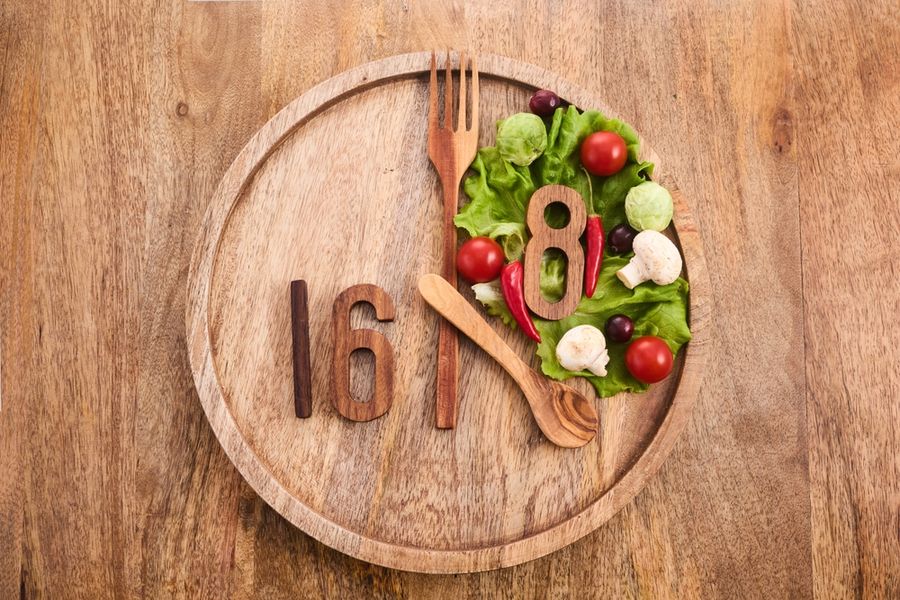
The 16:8 fasting schedule has become popular because it feels simple and flexible. Instead of focusing on what to eat, it focuses on when to eat. The approach divides the day into a 16-hour fasting window and an 8-hour eating window. Many people find it easier to follow than strict meal plans. When adjusted to real routines, the 16:8 schedule can fit workdays, family life, and social plans without feeling extreme.
What the 16:8 Fasting Schedule Is
The 16:8 fasting schedule means you eat all meals within an 8-hour window and do not eat during the remaining 16 hours. For example, you might eat between 12 p.m. and 8 p.m., then fast overnight until noon the next day.
During the fasting window, people usually drink water, black coffee, or plain tea. The eating window includes normal meals, not special foods. This structure creates a clear daily rhythm. Because it repeats every day, many people find it easier to maintain than plans that change from day to day.
Why the Schedule Feels Manageable
One reason the 16:8 schedule fits daily life is that much of the fasting happens while sleeping. Overnight hours count toward the fast, which reduces effort. Many people already go several hours without eating after dinner, so extending that time feels natural.
The schedule also avoids strict calorie counting. Instead of tracking every bite, you follow a time frame. This simplicity reduces mental stress. For busy people, fewer rules often mean better consistency, which is key for any routine.
Choosing an Eating Window That Fits Your Day
The eating window can be adjusted to fit different schedules. Some people prefer a late morning start, while others eat earlier in the day. The best window is one that matches work hours, family meals, and energy levels.
For example, someone with morning meetings may skip breakfast and eat lunch and dinner. Someone with early work hours may prefer an earlier window. Flexibility is important. The schedule works best when it supports daily routines instead of fighting them.
Handling Workdays and Busy Schedules
Workdays often include meetings, deadlines, and limited breaks. The 16:8 schedule can fit into this structure because it does not require frequent meals. Many people find they can focus better during the fasting period, especially in the morning.
Lunch breaks become a natural start to the eating window. Dinner with family or coworkers fits easily into the evening. Because there are fewer eating periods, planning meals can feel simpler. This can be helpful during busy weeks when time is limited.
Social Life and Family Meals
One common concern is whether fasting affects social life. The 16:8 schedule allows room for flexibility. If a social event falls outside your usual window, many people adjust the next day without stress.
Family meals are often in the evening, which fits well with a noon-to-evening eating window. The schedule does not require skipping dinner, which makes it easier to maintain in shared households. Flexibility helps the routine feel supportive rather than restrictive.
Hunger and Energy Throughout the Day
When starting the 16:8 schedule, hunger may feel stronger at first. This often changes as the body adjusts to a regular pattern. Drinking water and staying busy can help during fasting hours.
Energy levels vary by person. Some feel steady energy during the fast, while others prefer lighter activity early in the day. Paying attention to how your body responds helps you adjust the schedule. The goal is balance, not discomfort.
Food Choices During the Eating Window
The 16:8 schedule focuses on timing, but food choices still matter for daily well-being. Eating balanced meals during the eating window supports energy and satisfaction. Many people focus on meals that include protein, fiber, and whole foods.
Because the eating window is limited, meals often feel more intentional. This can lead to better awareness of hunger and fullness. However, the schedule does not require special foods or strict rules, which helps it fit into normal eating habits.
Exercise and Daily Movement
Physical activity can be done during fasting or eating hours, depending on comfort. Some people prefer light movement like walking during fasting periods. Others schedule workouts during the eating window when energy feels higher.
The 16:8 schedule allows flexibility with exercise timing. There is no single right approach. Listening to your body helps guide when activity feels best. This adaptability supports long-term consistency.
Travel and Changing Routines
Travel and schedule changes can disrupt routines. The 16:8 schedule is often easier to adjust than more complex plans. Time zone changes naturally shift eating windows, and many people simply reset once they arrive.
During busy or unpredictable days, the schedule can be relaxed without abandoning it entirely. This reduces the pressure to be perfect. A routine that bends slightly is more likely to last.
Common Mistakes That Make It Harder
One common mistake is choosing an eating window that conflicts with daily life. This can lead to frustration. Another issue is not eating enough during the eating window, which may cause low energy.
It is also important not to treat the schedule as a strict rulebook. Stress around timing can defeat the purpose. The 16:8 approach works best when used as a guide rather than a rigid demand.
A Routine That Works With Real Life
The 16:8 fasting schedule fits into daily life because it is simple, flexible, and repeatable. By focusing on timing instead of strict rules, it supports consistency without adding stress.
When adjusted to personal routines, work schedules, and social life, it can feel natural rather than forced. The key is choosing an eating window that fits your day and allowing room for flexibility. A routine that works with life is one that lasts.