

Many people wear fitness trackers to understand their sleep better, but not all devices measure the same things. Oura and Whoop are two wearables that focus heavily on sleep tracking, each with its own set of metrics and insights. Choosing between them can feel confusing. By understanding what each device measures and why certain data points matter, you can focus on the sleep information that truly supports better rest and daily recovery.
Why Sleep Metrics Are Useful
Sleep metrics help you understand patterns in your rest and recovery. Good sleep supports focus, mood, energy, and overall health. When you track sleep consistently, you begin to notice trends and connections in your life—such as how late nights, caffeine, or stress may affect your rest.
Sleep data by itself does not improve sleep. Instead, it gives context. That context can guide habits, such as setting a consistent bedtime or reducing screen time before sleep. The best metrics are ones that give actionable insight, not noise or confusion.
Core Sleep Metrics by Oura
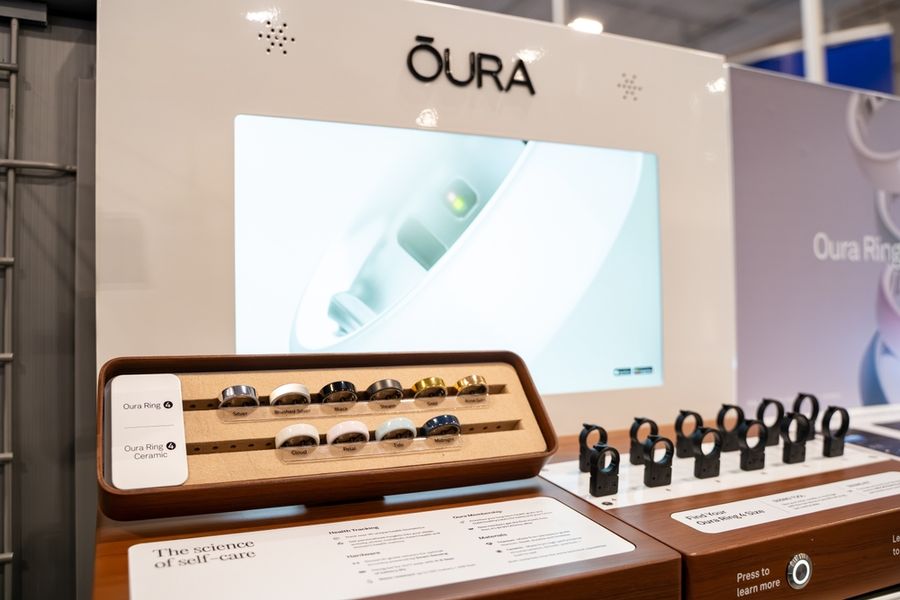
Oura is a ring designed to be worn on the finger, which allows it to gather detailed sleep data through sensors that measure heart rate, temperature, and movement. Key sleep metrics provided by Oura include:
- Total Sleep Time: This is the length of time you are asleep each night.
- Sleep Stages: Oura breaks sleep into light, deep, and REM stages.
- Resting Heart Rate: This shows how your heart rate behaves during sleep.
- Heart Rate Variability (HRV): HRV reflects how your nervous system adapts overnight.
- Temperature Trends: Oura tracks skin temperature, which may signal changes in health or cycle patterns.
These metrics help paint a detailed picture of your sleep architecture—the way your body moves through different phases of rest. Oura’s focus on multiple signals can help users understand both quantity and quality of sleep.
Core Sleep Metrics by Whoop
Whoop is a band worn on the wrist that emphasizes recovery and strain in addition to sleep. Its sleep tracking focuses on the following:
- Sleep Duration: The amount of time spent asleep.
- Sleep Need: Whoop calculates how much sleep your body needs based on recent strain and recovery.
- Sleep Stages: Whoop also tracks light, deep, and REM sleep.
- Heart Rate Variability (HRV): Measured regularly, especially during sleep, to show recovery.
- Resting Heart Rate: Whoop reports average heart rate during sleep.
Whoop’s distinction lies in how it ties sleep to daily strain and recovery scores. This helps users see how well their bodies are bouncing back from activity or stress, not just how long they slept.
How Oura and Whoop Calculate Recovery
Oura and Whoop both measure recovery, but they do so differently.
Oura’s recovery score is based on overnight physiology—primarily HRV, resting heart rate, and body temperature. A higher recovery score suggests your body is in a calmer, more rested state. Oura uses this data to suggest how “ready” your body is for the day.
Whoop’s recovery score incorporates sleep duration, sleep quality, HRV, and resting heart rate, but also includes recent activity strain. This means if you trained hard during the day, your recovery score may reflect that stress even with good sleep.
These differences matter depending on what you want from your tracker: Oura focuses more narrowly on sleep physiology, while Whoop integrates activity and sleep into recovery insights.
Why Sleep Stages Matter (and What They Tell You)
Both Oura and Whoop track sleep stages. These include:
- Light Sleep: Early phases of rest when the body begins to relax.
- Deep Sleep: A restorative stage important for physical recovery.
- REM Sleep: A stage linked to emotional processing and dreaming.
Balanced sleep stages are important for overall rest. Too little deep sleep may leave you feeling physically tired, while too little REM sleep may make you feel mentally foggy.
Understanding sleep stages helps you spot patterns. For example, frequent interruptions during deep sleep can affect feeling refreshed in the morning. Sleep stage tracking may also help identify environmental or lifestyle factors—such as caffeine close to bedtime—that influence sleep quality.
Heart Rate Variability (HRV) in Sleep Tracking
Heart Rate Variability (HRV) is a key metric that both devices use to assess recovery. HRV measures the variation in time between heartbeats. Higher HRV during sleep can indicate relaxed breathing and good parasympathetic nervous system activity (the system that helps the body rest).
Oura tracks HRV mainly during sleep, and its values help shape readiness scores. Whoop also tracks HRV but integrates it into overall recovery scores that include strain and sleep need.
Understanding HRV can guide lifestyle changes. For instance, consistent low HRV may signal sustained stress or poor recovery, which can help users adjust routines.
How Sleep Need and Sleep Score Differ
Oura and Whoop both provide a concept of “sleep need,” but they define it differently.
Oura does not explicitly tell you how many hours you need each night, but its readiness score suggests how well you recovered given your recent sleep and physiology. It relies on baseline data and trends.
Whoop goes a step further by calculating a specific sleep need each day. This is based on past strain and recovery patterns. If you worked out hard or experienced stress, Whoop may recommend more sleep to support recovery.
This difference highlights a key point: Oura offers more physiological context, while Whoop offers more guidance tied to daily activity.
How to Use Sleep Data to Improve Rest
Sleep data alone does not improve sleep. Action does. Metrics become useful when they inspire changes such as:
- Setting a consistent bedtime
- Reducing screen time before sleep
- Tracking how caffeine or alcohol affects sleep stages
- Adjusting activity to support recovery
Both Oura and Whoop provide insights that can inform these decisions.
Pick Metrics That Match Your Needs
Oura and Whoop both provide meaningful sleep metrics, but they emphasize different aspects of rest and recovery. Oura focuses more on physiological signals during sleep, while Whoop connects sleep to daily strain and recovery needs.
The most important sleep metrics are those that help you make better decisions about rest, habits, and recovery. Choosing the right device depends on what you want to measure and how you plan to use that information in daily life.