

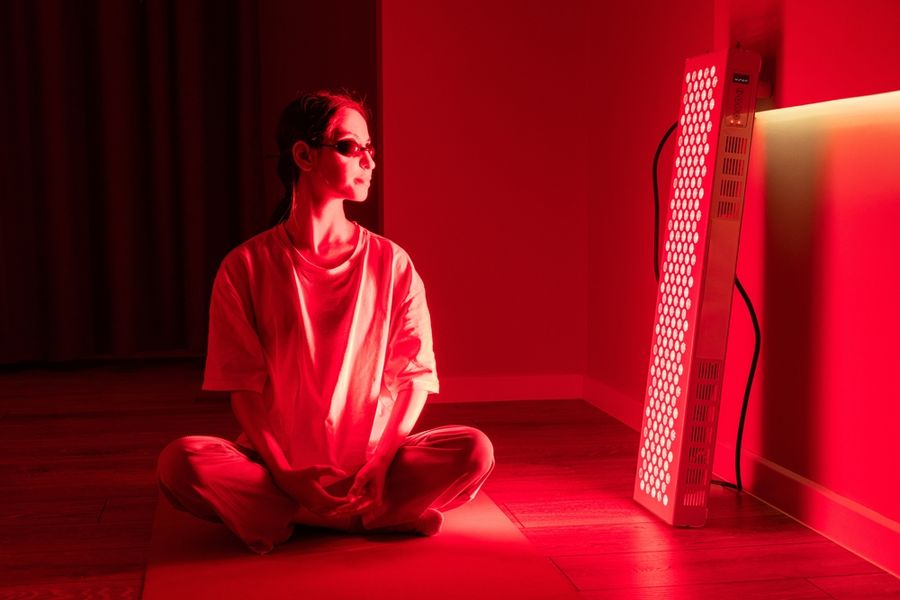
Red light therapy has become more common in homes as people look for simple wellness tools they can use on their own schedule. The idea is straightforward: specific wavelengths of red and near-infrared light are directed at the body for short sessions. Home devices range from small panels to handheld units. While red light therapy is not a cure-all, understanding what it is used for helps set clear and realistic expectations.
What Red Light Therapy Is
Red light therapy uses visible red light and near-infrared light. These forms of light are different from ultraviolet light and do not tan or burn the skin. At home, the light is delivered through LED devices designed to shine steadily rather than flash.
Red light therapy is most often used for skin health, muscle and joint recovery, and pain management. It is also used in some medical and rehabilitation settings to support tissue repair and recovery.
The therapy is passive. You do not feel heat in most cases, and sessions are usually short. People typically sit or stand near the device and expose a specific area of the body. Because it is easy to use, many people add it to existing routines rather than treating it as a separate task.
Why People Use Red Light Therapy at Home
One reason red light therapy has moved into homes is convenience. In-home use allows people to choose timing, frequency, and comfort level. Sessions can fit into morning or evening routines without travel.
Another reason is control. Home users can focus on specific areas rather than full-body sessions. This flexibility makes the therapy feel more personal and manageable. Many people use it as part of a broader wellness routine that includes movement, rest, and mindful habits.
Red Light Therapy for Skin Care Routines
Skin care is one of the most common uses of red light therapy at home. People often use it as part of a routine focused on skin appearance and comfort. Devices are placed near the face or other areas for short sessions.
Users often combine red light sessions with gentle skin care habits. Because the light is non-invasive, it fits well into evening routines. The goal for many users is not dramatic change, but steady support over time. Consistency tends to matter more than intensity.
Use for Muscle Comfort and Recovery
Another common use of red light therapy at home is muscle comfort. People who exercise regularly or have physically demanding routines sometimes use red light on areas that feel tight or tired.
Sessions are often done after activity or before rest. The light is placed near larger muscle groups such as legs, shoulders, or back. The experience is calm and does not require active effort, which makes it appealing for recovery days or low-energy moments.
Joint Comfort and Daily Movement Support
Some people use red light therapy as part of routines that support comfortable movement. This often includes areas like knees, hands, or shoulders. The therapy is typically paired with gentle stretching or movement habits.
At home use allows people to target the same area consistently. Short, repeated sessions are common. Many users treat red light therapy as a complement to daily movement rather than a replacement for it.
Red Light Therapy and Relaxation Time
Red light therapy sessions often create a quiet pause in the day. Because the light is steady and sessions are short, people often use the time to relax, breathe, or listen to music.
This calm setting can be part of the appeal. The therapy becomes a reason to slow down. For people with busy schedules, building in quiet moments can feel just as valuable as the physical aspect of the routine.
How Home Devices Are Commonly Used
Home red light therapy devices vary in size and setup. Smaller units are used close to the body, while larger panels may cover a wider area. Most devices are designed for simple use with basic controls.
Users usually follow manufacturer guidance for distance and session length. Many start with shorter sessions and adjust based on comfort. Home use allows for flexibility, but it also requires attention to safe use and clear instructions.
Setting Realistic Expectations
A key part of using red light therapy at home is setting realistic expectations. The therapy is often used as a support tool rather than a solution on its own. Results, if noticed, tend to be gradual.
People respond differently, and experiences vary. Some enjoy the routine itself, while others focus on how it fits into broader habits. Understanding that red light therapy is one part of a wellness approach helps prevent disappointment.
Safety and Responsible Use
Red light therapy devices designed for home use are generally made for repeated sessions, but responsible use matters. Following instructions helps reduce risk. This includes recommended distances, session lengths, and frequency.
Eye protection may be suggested for certain devices, especially when used near the face. Avoiding overuse and paying attention to comfort are important. Home therapy works best when used calmly and thoughtfully rather than excessively.
Choosing a Purpose That Fits Your Needs
People use red light therapy at home for different reasons. Some focus on skin routines, others on muscle comfort, and others on relaxation. Clarifying your purpose helps guide how and when you use the device.
This clarity also helps prevent unrealistic expectations. When the use matches the goal, the routine feels more supportive and easier to sustain.
A Simple Tool Used With Intention
Red light therapy at home is commonly used as a supportive wellness practice. People use it for skin care routines, muscle comfort, joint support, and moments of relaxation. Its appeal lies in ease of use and flexibility.
When used consistently and responsibly, it can fit into daily life without disruption. The most effective approach is thoughtful use, clear expectations, and viewing red light therapy as one small part of a balanced routine.