

Cold exposure has gained attention as a wellness practice, and the Wim Hof Method is one of the most well-known approaches. It combines controlled cold exposure with breathing and mindset techniques. Many people are curious about how cold exposure fits into daily life and what it involves in practical terms. It's helpful to understand what cold exposure in the Wim Hof Method is, how it is practiced, and what to consider before trying it.
What the Wim Hof Cold Exposure Method Is
The Wim Hof Method is built around three main elements: breathing, cold exposure, and focus. Cold exposure is the part that involves exposing the body to cold water or cold environments in a controlled way. This may include cold showers, ice baths, or outdoor cold conditions.
The method emphasizes gradual exposure. People are encouraged to start slowly and increase intensity over time. Cold exposure is not meant to be sudden or extreme at the beginning. The goal is to build tolerance and awareness while staying calm and controlled during the experience.
How Cold Exposure Is Typically Practiced
Most people begin cold exposure with short cold showers. This often means ending a regular warm shower with a brief period of cold water. The cold exposure may last only a few seconds at first.
Over time, some people extend the duration or explore other forms, such as cold plunges. The practice is usually done regularly, not as a one-time challenge. Consistency and control are key parts of the approach. The focus remains on staying relaxed and breathing steadily while in the cold.
Why Breathing and Focus Matter
Cold exposure in the Wim Hof Method is closely tied to breathing and mental focus. Calm breathing helps the body respond to cold without panic. When breathing becomes rushed or shallow, the experience can feel overwhelming.
Focus plays a role in how the cold is perceived. Instead of resisting the cold, the practice encourages awareness and acceptance. This mental approach helps people stay present and steady. The method is not about forcing the body but about learning to remain calm in an intense situation.
Inflammation, Recovery, and Mental Health Effects
Cold exposure has been studied for its effects on inflammation, physical recovery, and mental health. Cold can reduce swelling and soreness by limiting blood flow to affected areas during exposure, which is why it has long been used after intense exercise. This can help ease muscle discomfort and support short-term recovery.
Cold exposure also activates the nervous system in a controlled way, which may influence stress response and mood. Some research links cold exposure to changes in brain chemicals involved in mood regulation, which may explain why some people report reduced stress or improved emotional resilience over time.
Starting Slowly and Building Gradually
One of the most important ideas in the Wim Hof cold exposure method is gradual progress. Jumping into long or extreme cold exposure can be uncomfortable and unsafe.
Beginners are often advised to start with very short exposures and build from there. This allows the body to adapt step by step. Listening to physical signals is part of the process. If something feels wrong, stopping is encouraged. Progress is measured over weeks, not days.
How Cold Exposure Fits Into Daily Life
Cold exposure does not require large blocks of time. Many people fit it into their routine by adding cold water at the end of a shower. This makes it easier to practice regularly.
Some people prefer morning cold exposure as part of a wake-up routine, while others choose different times. The method is flexible and can be adjusted to personal schedules. The key is consistency rather than duration or intensity.
Safety Considerations to Keep in Mind
Cold exposure is not suitable for everyone. People with certain health conditions should be cautious. It is important to approach the practice responsibly and avoid risky situations, such as cold exposure alone in open water.
Cold exposure should always be done in a controlled environment. Gradual exposure and awareness help reduce risk. The method emphasizes personal responsibility and encourages people to know their limits.
Differences Between Cold Showers and Ice Baths
Cold showers are the most common starting point because they are easy to control. You can adjust the temperature and stop at any time. This makes them suitable for beginners.
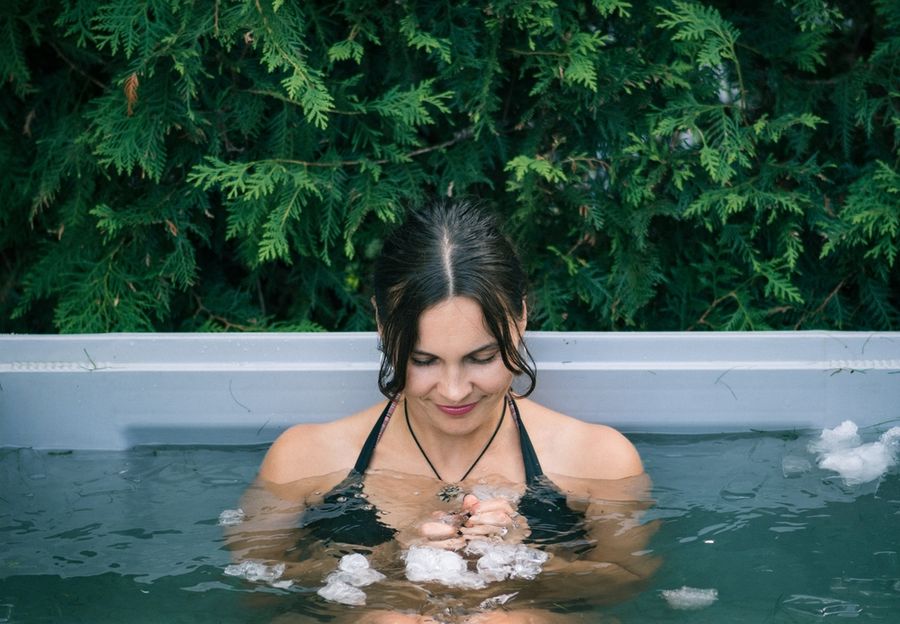
Ice baths are more intense and often used by people with more experience. They involve full-body exposure to cold water and require careful timing. Both approaches focus on calm breathing and awareness, but they differ in intensity and setup.
Mental Discipline and Self-Awareness
Cold exposure often highlights how the mind reacts to stress. The initial urge to escape the cold can reveal habits of resistance or tension. Learning to stay calm builds mental discipline.
Over time, some people find that this skill carries over into daily life. Staying calm in cold conditions may help with handling other forms of discomfort. The practice becomes less about the cold itself and more about awareness and control.
Setting Realistic Expectations
Cold exposure is not a quick fix or a one-size solution. Results vary, and experiences differ. Some people enjoy the practice, while others decide it is not for them.
Understanding what cold exposure involves helps set realistic expectations. The focus remains on personal experience rather than comparison. The method encourages exploration, not pressure.
A Controlled Approach to Cold Exposure
The Wim Hof cold exposure method focuses on gradual exposure, calm breathing, and mental focus. It encourages awareness and control rather than extremes. By starting slowly and practicing consistently, people can explore how their body and mind respond to cold.
Cold exposure is not about pushing limits, but about learning to remain steady in challenging conditions. With care and attention, it can become a structured practice that fits into daily routines.